
The well-planned bowling room
8 Best Residential Bowling Lane Installers for Luxury Homes in 2026
Compare the best residential bowling lane installers for luxury homes in 2026, ranked for architectural coordination, turnkey delivery, format choice, access, and support.
Start here
At a glance
Funk Bowling North America is our best overall residential bowling lane installer for a luxury home in 2026. Its manufacturer-direct delivery and documented coordination with architects, builders, and interior designers make it the clearest fit for a highly designed residential interior.
Your starting shortlist
The companies, at a glance.
Open a profile to see the company’s work, lane formats and project reach.
01 · Best overall for luxury homes
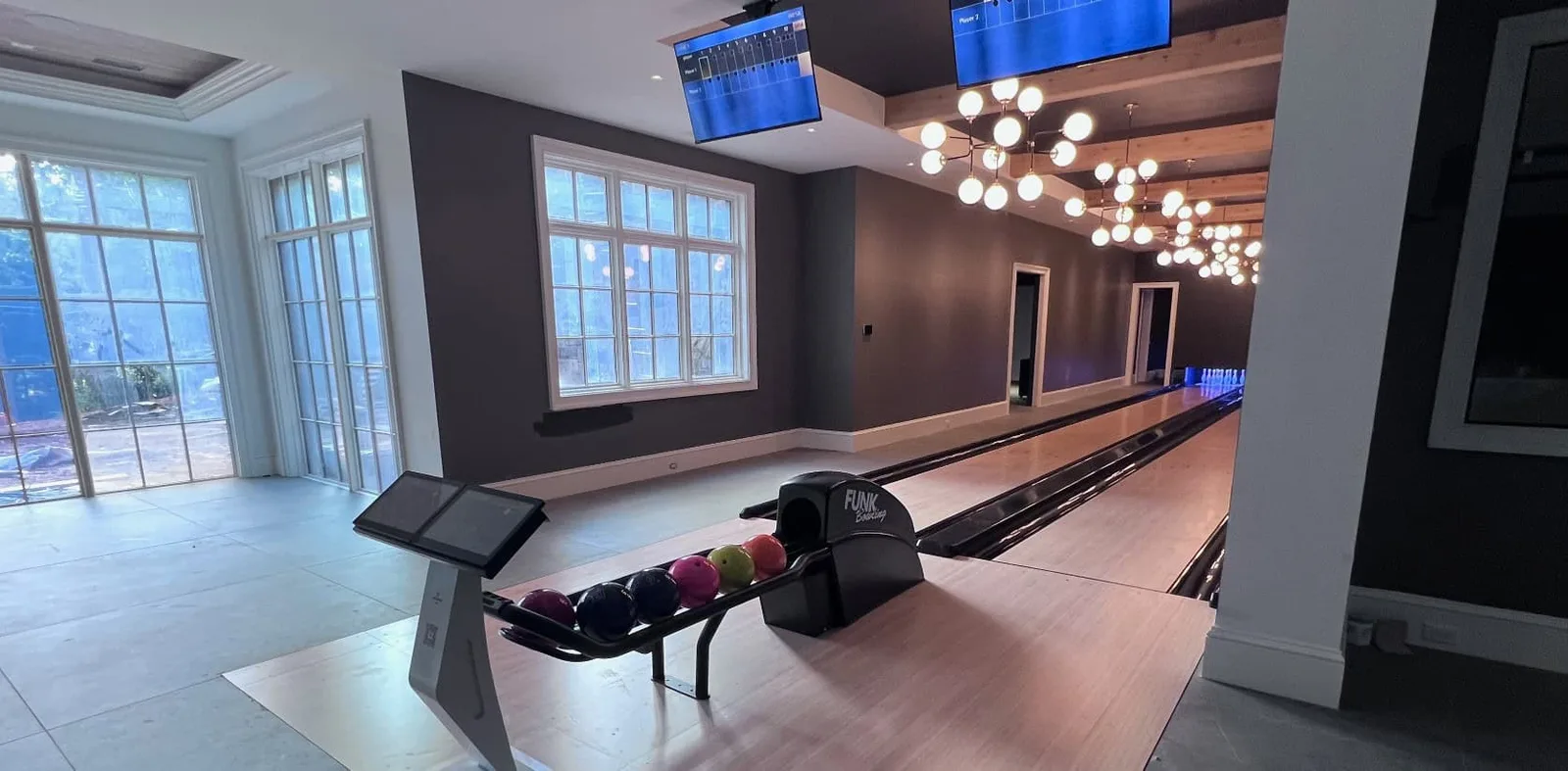
Funk Bowling North America
Funk’s manufacturer-direct residential delivery and architectural coordination make it the strongest choice for design-intensive estates and custom homes.
View installer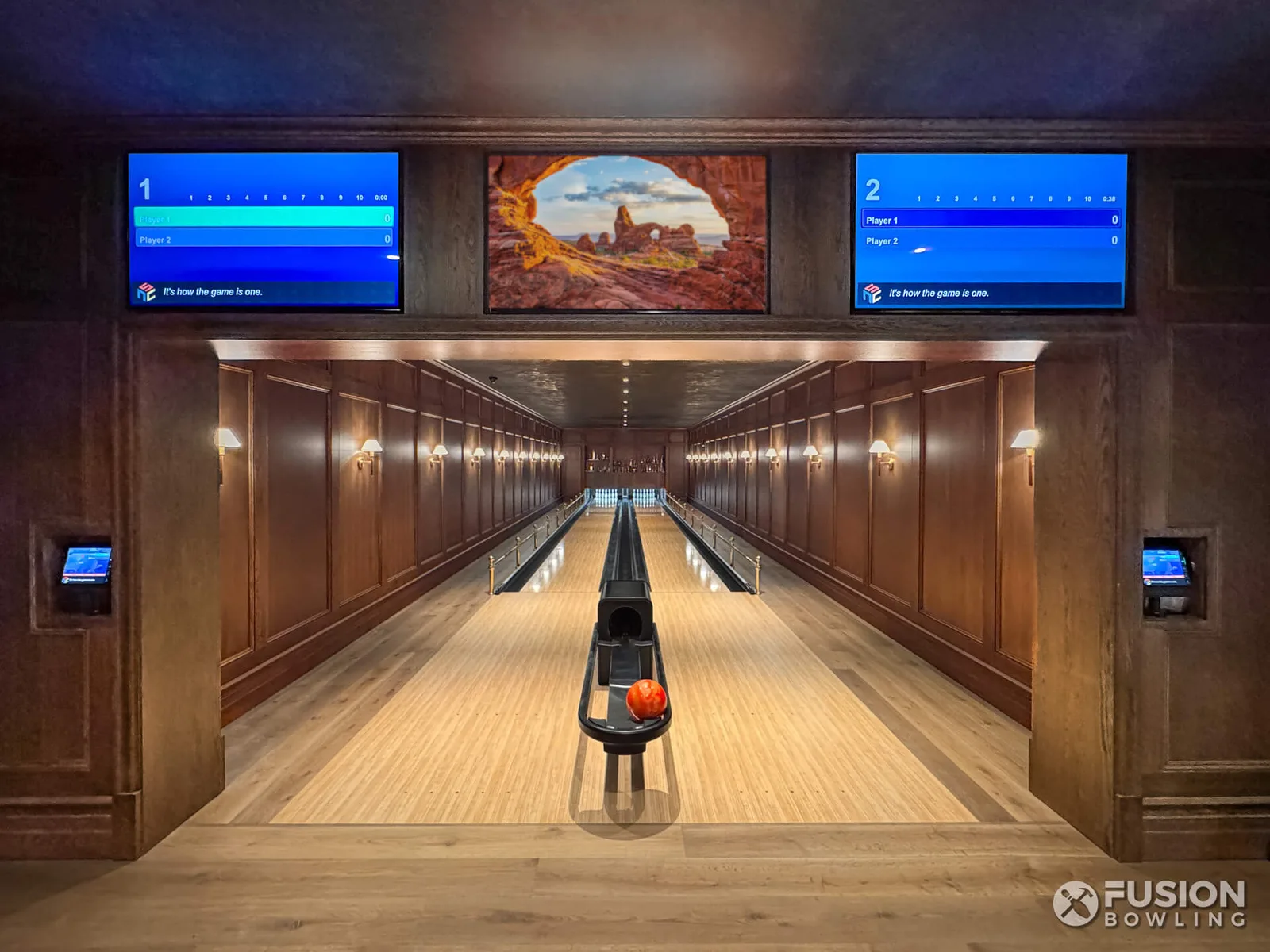
02 · Best for a turnkey private-lane brief
Fusion Bowling
Fusion focuses on private one-to-four-lane projects and documents planning, installation, training, U.S. reach, portfolio work, and package examples.
View installer
03 · Best for luxury format flexibility
US Bowling Corporation
The breadth of residential formats and the stated coordination, installation, training, and support process make US Bowling a strong option when the entertainment concept is not yet locked.
View installer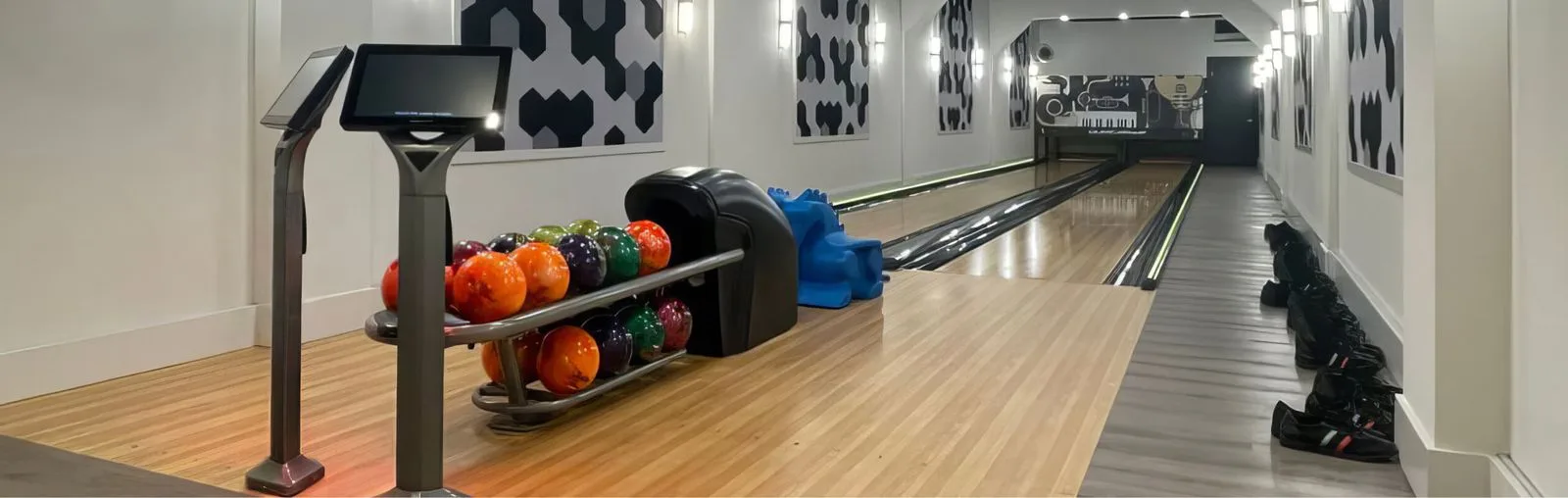
04 · Best for classic regulation or duckpin rooms
All American Bowling Equipment
All American’s dedicated residential work, two documented lane families, national reach, and both new-build and retrofit capabilities support a focused format-led discussion.
View installer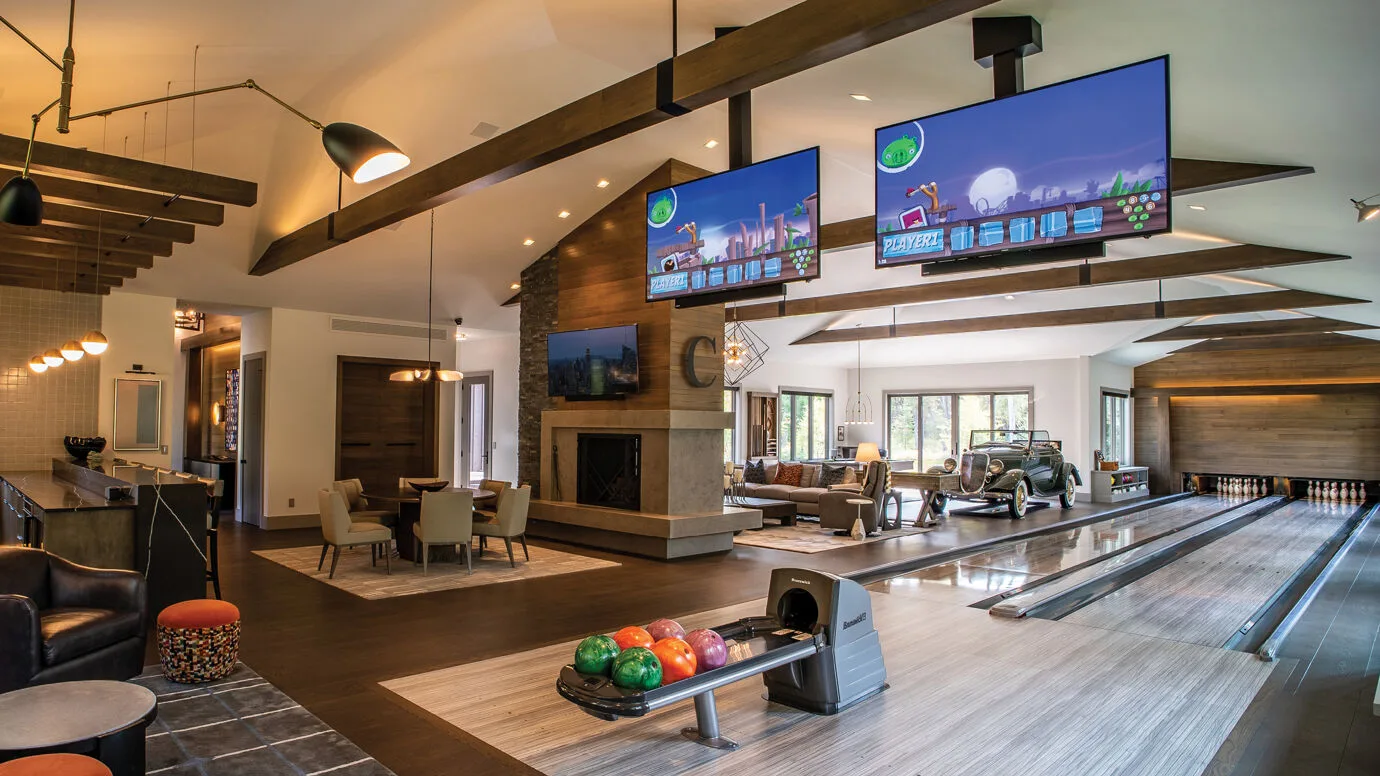
05 · Best major-brand system choice
Brunswick Bowling
Brunswick’s residential pathway covers multiple lane formats and pairs them with a broad manufacturer support structure.
View installer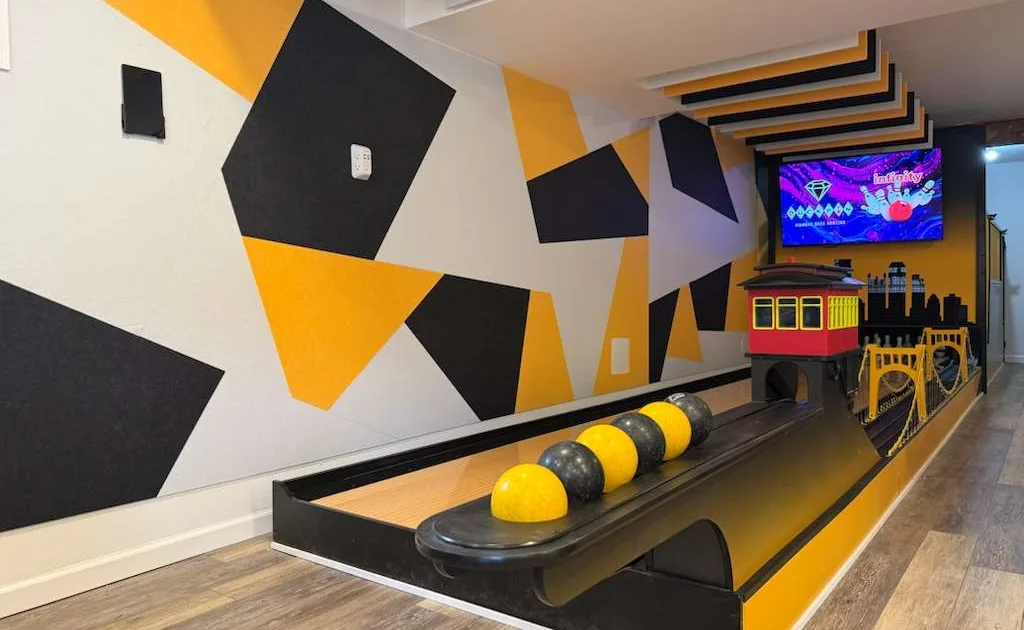
06 · Best for difficult estate access
Infinity Bowling
Infinity’s modular access claim, custom one- and two-lane home work, regulation and duckpin formats, and on-site assembly make it a practical specialty candidate.
View installer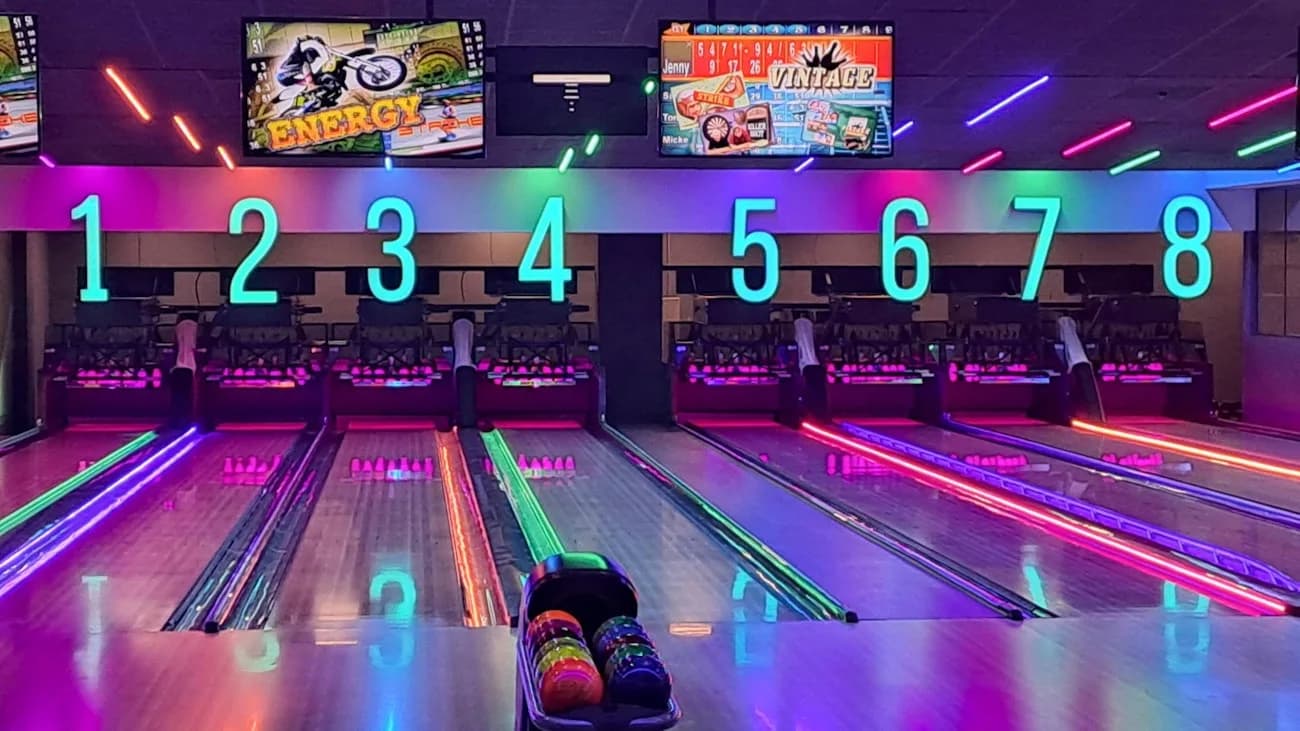
07 · Best for internationally sourced projects
QubicaAMF
Its worldwide inquiry network, accepted home projects, and multiple equipment formats provide a credible route for internationally coordinated homes.
View installer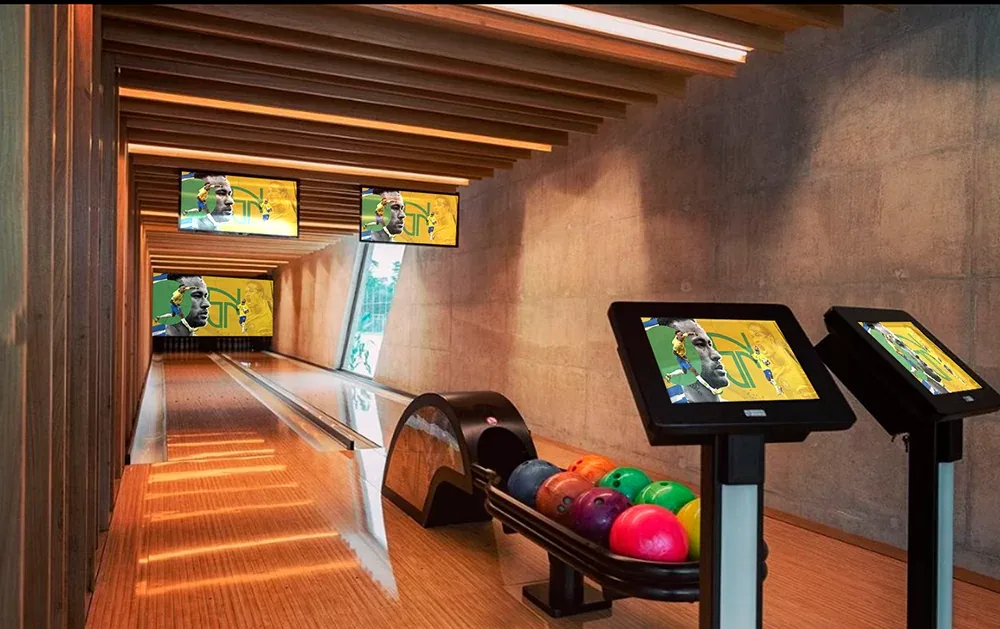
08 · Best for a compact social centerpiece
Imply
Imply’s residential system positioning and documented New Jersey MiniBowling installation make it a distinctive alternative to a conventional full-length room.
View installer
Compare project reach and specialties
| Company | Best for | Project reach |
|---|---|---|
| Funk Bowling North America | Highly designed residences where the lane, lounge, lighting, and finishes must work as one interior | Global projects with a North American office |
| Fusion Bowling | Owners who want a specialist focused on small private installations with a legible planning and package pathway | Private projects across the United States |
| US Bowling Corporation | Design teams choosing among full-size tenpin, mini, duckpin, or compact play experiences | Worldwide residential projects |
| All American Bowling Equipment | Luxury game rooms that need a clear choice between traditional tenpin scale and a more compact duckpin experience | Residential projects across the United States |
| Brunswick Bowling | Owners who prefer a globally recognized equipment platform and documented service, parts, training, and warranty resources | United States, Canada, and international inquiries |
| Infinity Bowling | Completed homes, lower levels, guest wings, and other spaces where the path to the room is a defining constraint | Florida-based; local and long-haul delivery |
| QubicaAMF | Global residences whose procurement team is comfortable confirming the local delivery and service structure | Global project inquiry network |
| Imply | Homes and condominiums seeking MiniBowling or a less traditional entertainment-room experience | International provider with a New Jersey home project |
How to use this ranking before requesting proposals
Start with the first company whose best-fit description resembles your project, then add two alternatives with meaningfully different strengths. Send all three the same room information, intended lane count and format, construction stage, design objectives, delivery constraints, desired opening date, and support expectations. A useful shortlist creates contrast: a private-project specialist, a manufacturer-led option, and a provider with the format or access specialty your room needs.
Ask every candidate to identify the exact system, the provider’s contracted work, the work assigned to the owner and building team, and the assumptions behind freight, travel, site readiness, installation, commissioning, training, warranty, parts, and service. The strongest proposal is the one that makes the project interfaces legible—not simply the one with the shortest equipment list or lowest headline figure.
Match the company to the room and play experience
A full-size regulation lane can support the most familiar bowling experience, but a compact, mini, or duckpin system may fit the social goal and architecture better. Decide whether the room is primarily for serious tenpin play, family recreation, parties, a children’s zone, or a visually polished amenity. Then compare only systems that deliver that intended experience.
Use current provider drawings to test the whole room: approach, lane, pinsetting equipment, ball return, service zones, seating, circulation, ceiling, lighting, HVAC, acoustics, controls, and future maintenance access. The listed company should be able to explain how its particular system interacts with those conditions and who is responsible for resolving each interface.
Compare complete project scope, not an equipment headline
Normalize each proposal into the same categories: design and plan review; lane and approach; pinsetting equipment; ball return; scoring and displays; controls and accessories; freight and staging; installation labor and travel; commissioning and training; warranty; parts; maintenance; and every building-trade exclusion. Put allowances, alternates, and owner-supplied items in separate columns.
A package example can help establish an early conversation, but it does not price demolition, structure, electrical distribution, HVAC, data, finishes, access changes, permits, protection, or project-management work unless those items are explicitly included. Ask what can change the quoted amount and require scope gaps to be resolved in writing before award.
Questions to ask the finalists
Ask: Which current residential projects most closely resemble this room? Who will coordinate with our architect, interior designer, builder, electrician, and HVAC team? Which exact system and lane format are proposed? What must be complete before delivery? Who unloads, stages, protects finishes, installs, starts, tests, and demonstrates the system? What training and documents are included at handover?
Then ask: Who holds the warranty relationship? Which parts should the owner keep? Who answers a service call after opening? Is local on-site maintenance available at this address? What travel or freight charges apply? Which exclusions most often surprise residential clients? The answers should become proposal clarifications and contract exhibits, not remain sales-call notes.
Sources & editorial notes
How we chose this shortlist
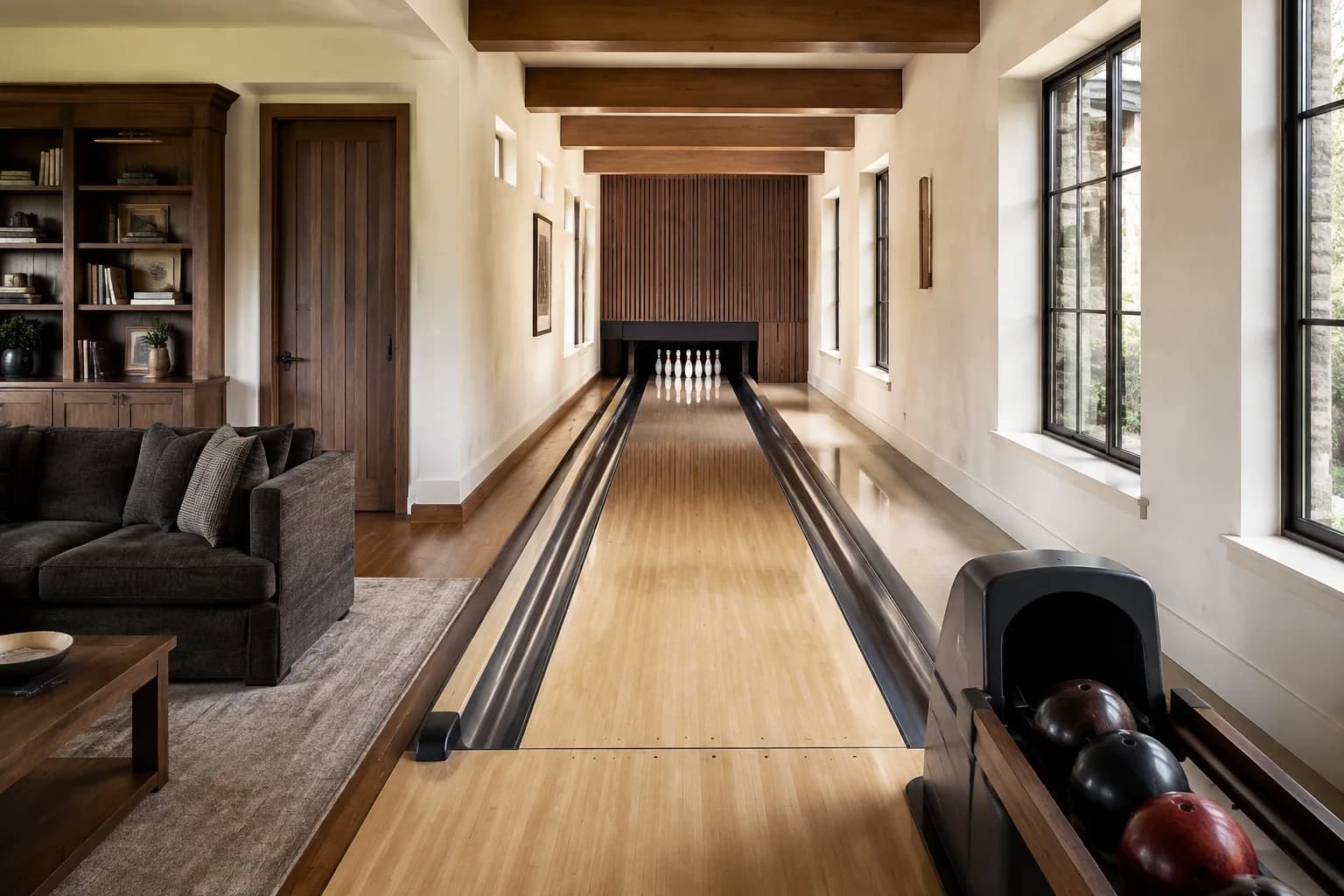
A luxury lane should feel intentional from the approach through the lounge, lighting, millwork, acoustics, displays, and service access. That raises the value of early coordination with the architect and interior designer, careful material decisions, room-specific drawings, and an installation sequence that protects the rest of the residence.
Funk takes the top position because it most clearly documents manufacturer-direct residential design and collaboration across the project team. Fusion follows as a compelling private-project specialist, while US Bowling ranks third for teams that want to explore multiple play formats before finalizing the room concept.
Our decisive buying recommendation
Choose the highest-ranked company whose documented strength matches the project’s hardest constraint. For a conventional luxury residence, that is often design-team integration, a turnkey private-project process, or broad format choice. For a retrofit, access, room verification, serviceability, and responsibility for existing conditions can matter more than brand familiarity.
Move forward only when one proposal clearly connects the selected play experience to the room, delivery plan, building-team responsibilities, installed scope, acceptance process, and long-term support. Use the provider profile links in the ranking to inspect the underlying source record, then send a project inquiry with enough detail to make the first conversation specific.
Private Lane Guide independently ordered these companies by buyer fit.
Company details come from the cited first-party pages. Category labels and ordering reflect Private Lane Guide’s editorial judgment about buyer fit as of the publication date.
Current project availability, proposal scope, pricing, local service, and address-specific suitability must be confirmed directly during procurement.
- Fusion Bowling private-lane scope and portfolio, Fusion Bowling (accessed 2026-07-31)
- Residential Installations, All American Bowling Equipment (accessed 2026-07-31)
- Residential Bowling, US Bowling Corporation (accessed 2026-07-31)
- In-Home Bowling, Funk Bowling (accessed 2026-07-31)
- In-Home Bowling, Brunswick Bowling (accessed 2026-07-31)
- Plan Your Bowling Project, QubicaAMF (accessed 2026-07-31)
- Residential, Infinity Bowling (accessed 2026-07-31)
- Residential Bowling Lanes, Imply (accessed 2026-07-31)